Say Goodbye to Back Pain: Posterior Pelvic Tilt with Our Redmond Chiropractic Team
Do you find yourself struggling with persistent back pain or tightness in your mid-back? Perhaps you’ve noticed your posture resembling a “booty pop” with your pelvis tilting outward. These issues can stem from various factors, including poor posture habits or compensatory movements during activities like overhead lifting. But fear not, because in this article, we’ll delve into the realm of posterior pelvic tilt and how it can be a game-changer in your journey toward a healthier back and improved mobility.
At Helix Sport and Spine, we understand the significance of addressing back injuries and discomfort through targeted exercises like posterior pelvic tilt. Let’s break down the fundamentals and explore how this simple yet effective technique can alleviate back pain, enhance hip mobility, and relieve mid-back tightness.
What is Posterior Pelvic Tilt?
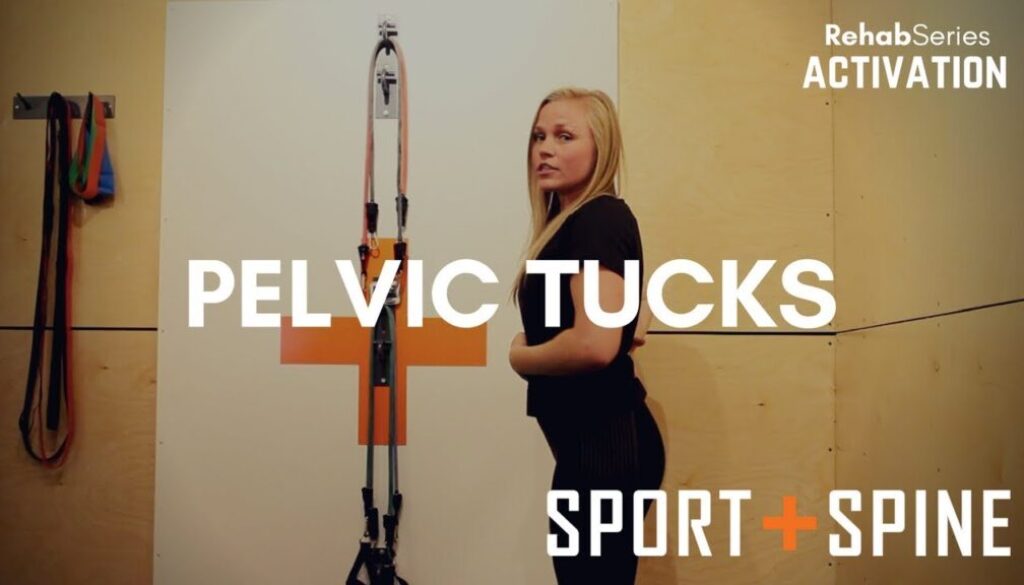
Posterior pelvic tilt involves tilting the pelvis backward, which helps counteract the common “booty pop” posture or excessive arching of the lower back. This movement engages the core muscles while encouraging proper alignment of the spine and pelvis. By mastering posterior pelvic tilt, you can minimize stress on the lower back vertebrae and surrounding muscles, thereby reducing the risk of injury and discomfort.
How to Perform Posterior Pelvic Tilt
Set Up: Begin by lying on your back with your knees bent and feet flat on the floor. Imagine a bowl of water resting on your hips.
Engage Core: Visualize tilting your pelvis backward as if you’re pouring the water from the imaginary bowl toward your belly button. This action flattens the lower back against the floor and engages the core muscles.
Maintain Relaxation: Keep your shoulders relaxed throughout the exercise, ensuring that you’re not lifting your hips off the ground. Focus on evenly rocking your hips into the mat to achieve a balanced tilt.
Progression: Once you’ve mastered the basic posterior pelvic tilt, you can progress to more advanced exercises that incorporate this movement into dynamic movements or functional activities. However, it’s crucial to listen to your body and seek guidance from a healthcare professional or rehabilitation specialist if you experience any discomfort or uncertainty.
Benefits of Posterior Pelvic Tilt
Alleviates Back Pain: By correcting pelvic alignment and reducing excessive arching of the lower back, posterior pelvic tilt can alleviate tension and discomfort in the lumbar region. This reduction in strain helps in preventing chronic back pain and provides relief from existing conditions.
Enhances Hip Mobility: This exercise promotes flexibility and mobility in the hips, which is essential for maintaining proper movement patterns and preventing injuries. Improved hip mobility can lead to better performance in daily activities and athletic endeavors, reducing the risk of compensatory movements that can cause injury.
Relieves Mid-Back Tightness: Posterior pelvic tilt encourages a more neutral spine position, which can help alleviate tightness and tension in the mid-back region, improving overall posture and comfort. A neutral spine reduces the likelihood of muscular imbalances and associated discomfort.
The Role of Posterior Pelvic Tilt in Daily Life and Exercise
Incorporating posterior pelvic tilt into your daily routine and exercise regimen can provide significant long-term benefits. Here’s how you can integrate this practice into various aspects of your life:
During Daily Activities: Many daily activities, such as sitting at a desk or standing for extended periods, can lead to poor posture and back pain. By consciously applying the principles of posterior pelvic tilt, you can maintain better spinal alignment throughout the day. For instance, when sitting, ensure that your pelvis is slightly tilted backward to avoid excessive lumbar curvature.
In Exercise Routines: Posterior pelvic tilt can be integrated into various exercises to enhance their effectiveness and safety. For example, when performing squats or deadlifts, maintaining a slight posterior pelvic tilt can help protect your lower back from injury. This technique ensures that your core is engaged and your spine is properly aligned, providing a solid foundation for these movements.
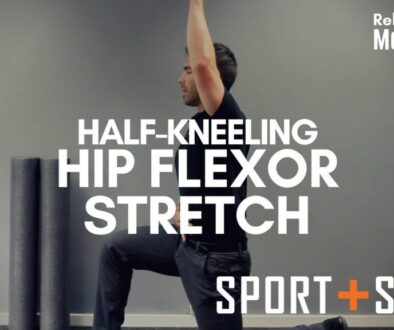
In Stretching and Mobility Work: Incorporating posterior pelvic tilt into stretching and mobility exercises can enhance their benefits. For instance, when performing a hip flexor stretch, tilting the pelvis backward can deepen the stretch and target the hip flexors more effectively. This approach helps in achieving better flexibility and reducing muscle tightness.
Professional Guidance and Personalized Programs
While posterior pelvic tilt is a powerful tool for improving back health and mobility, it’s important to approach it with proper guidance. At Helix Sport and Spine, we offer personalized rehabilitation programs tailored to your specific needs. Our team of experts will assess your condition and design a comprehensive plan that includes posterior pelvic tilt exercises and other targeted interventions.
Initial Assessment: During your initial assessment, our professionals will evaluate your posture, movement patterns, and any existing pain or discomfort. This thorough evaluation helps in identifying the root causes of your issues and developing a customized rehabilitation plan.
Customized Exercise Plans: Based on your assessment, our team will create a personalized exercise plan that incorporates posterior pelvic tilt and other relevant techniques. This plan will be designed to address your specific needs and goals, ensuring that you achieve optimal results.
Ongoing Support and Monitoring: Our team will provide ongoing support and monitoring throughout your rehabilitation journey. Regular check-ins and adjustments to your exercise plan ensure that you continue to progress and achieve lasting improvements in your back health and mobility.
Additional Tips for Optimal Back Health
In addition to practicing posterior pelvic tilt, there are several other strategies you can adopt to support optimal back health:
Maintain an Active Lifestyle: Regular physical activity is crucial for maintaining a healthy back. Engage in a variety of exercises, including strength training, cardiovascular activities, and flexibility work, to keep your muscles strong and your spine mobile.
Practice Good Posture: Be mindful of your posture throughout the day. Whether you’re sitting, standing, or moving, strive to maintain a neutral spine position and avoid slouching or excessive arching.
Incorporate Core Strengthening Exercises: A strong core provides essential support for your spine and can help prevent back pain. Incorporate exercises such as planks, bridges, and abdominal curls into your routine to strengthen your core muscles.
Use Ergonomic Support: Ensure that your workspace and home environment are ergonomically designed to support good posture. Use chairs with proper lumbar support, adjust your computer monitor to eye level, and take regular breaks to move and stretch.
Stay Hydrated and Eat a Balanced Diet: Proper hydration and nutrition play a vital role in maintaining overall musculoskeletal health. Drink plenty of water and consume a balanced diet rich in essential nutrients to support your spine and muscles.
Conclusion
We specialize in chiropractic rehabilitation and spine rehabilitation techniques designed to address back injuries and promote optimal musculoskeletal health. If you’re experiencing persistent back pain or discomfort, don’t hesitate to reach out to our Redmond or Mercer Island, Seattle locations for a consultation. Our team is here to support you on your journey to a pain-free and active lifestyle.
Mastering posterior pelvic tilt can be a game-changer in your quest for a healthier back and improved mobility. By incorporating this simple yet powerful exercise into your routine, you can alleviate back pain, enhance hip mobility, and relieve mid-back tightness. Remember to prioritize proper form, listen to your body, and seek professional guidance if needed.
To begin your journey towards a pain-free back and improved mobility, schedule a consultation or make inquiries at helixwa.com/Redmond or contact us at 206-800-6299 .
Unlock the potential of your stability with tailored exercises like posterior pelvic tilt at Helix Sport and Spine Redmond Clinic. Here’s to a stronger, more resilient back and a life filled with movement and vitality!