Bear Holds for Core and Scapular Stability: Top Breathing Exercise in Mercer Island, Seattle
Bear holds with breathing are a powerful exercise that combines core strengthening, shoulder stability, and effective breathing techniques. This exercise not only improves your physical endurance but also includes mindful breathing practices that can greatly enhance your overall well-being. In this article, we’ll dive into bear holds with breathing, explaining their benefits, how to do them, and how to fit them into your workout routine.
Understanding Bear Holds with Breathwork
Bear holds with breathing mix physical effort with mindfulness. This exercise combines basic strength training with deep, mindful breathing. It works multiple muscle groups and promotes deep, conscious breathing, creating a workout that benefits both your body and mind.
Getting Started
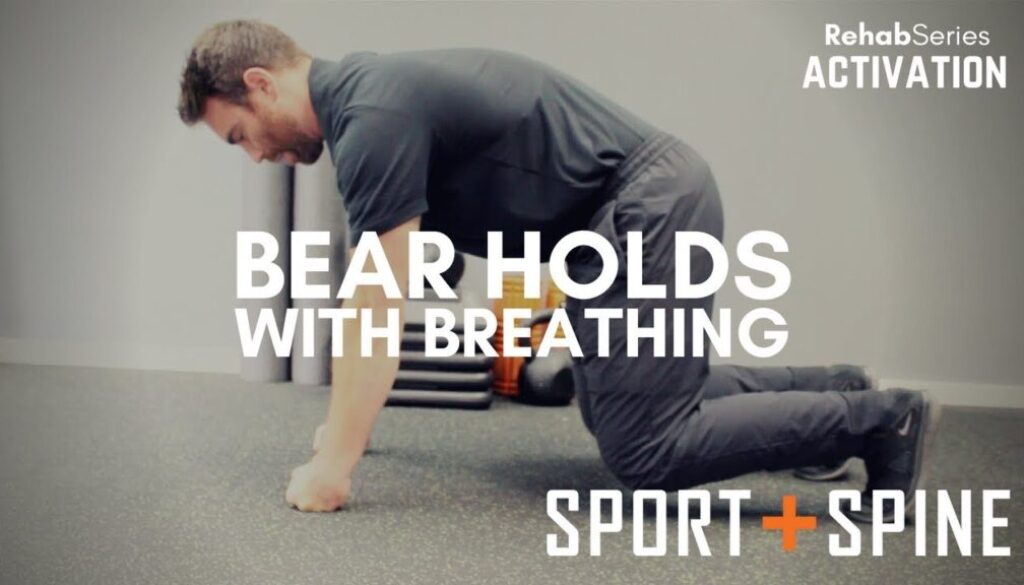
To start bear holds with breathing, get on your hands and knees on the floor. Your hands should be directly under your shoulders with fingers spread wide for stability. If your wrists feel uncomfortable, make fists to reduce the strain. This position gives you a solid foundation to engage your shoulder blades and core muscles effectively.
Before lifting your knees, push through your hands to activate your shoulder blades, which stabilizes your upper body. Let your upper back round slightly, keeping a natural curve in your spine.
Engaging the Core and Breathing
Once your upper body is stable, lift your knees about one inch off the ground. This small lift is challenging because it requires a lot of core strength and balance. Focus on your breath as you hold this position. Inhale deeply through your nose, filling your lungs and expanding your diaphragm. This kind of deep breathing not only improves oxygen intake but also helps stabilize your core.
As you exhale, imagine drawing your belly button up towards your spine. This mental image helps engage your abdominal muscles more deeply, making your core activation stronger and more controlled. The rhythmic breathing pattern—inhale through the nose and exhale through the mouth—adds a meditative aspect to the exercise, enhancing mental clarity and focus.
Maintaining Stability and Alignment
During the exercise, it’s crucial to keep your shoulder blades and pelvis stable and aligned. As you exhale, don’t let your shoulder blades collapse. Keep them actively engaged to ensure your upper body stays stable and strong. This stability is vital for preventing shoulder injuries and promoting overall upper body strength.
Also, focus on a slight pelvic tuck, drawing the front of your pelvis towards your rib cage. This alignment is crucial for engaging your lower abdominal muscles and ensuring a full-body core workout. By focusing on both shoulder blade and pelvic alignment, you maximize the exercise’s benefits while maintaining proper form and preventing injury.
Optimizing Performance
For the best results, hold the bear position for about 20 seconds or roughly five deep breaths. This duration lets you balance effort and relaxation, ensuring you engage your muscles without overexertion. It’s important to maintain a steady rhythm of breathing throughout the hold, preventing dizziness or breathlessness.
As you become more comfortable with the exercise, you can gradually increase both the duration of each hold and the number of repetitions. Start with three to four repetitions, and as your core endurance improves, challenge yourself with longer holds and additional sets. This progressive approach ensures continuous improvement and helps prevent plateauing in your fitness journey.
Bear holds with breathing are a comprehensive exercise that targets several key muscle groups and offers a variety of benefits for physical and mental health. Here’s a detailed look at the specific body parts engaged during this exercise and the advantages it provides:
Targeted Body Parts:
Core Muscles:
- Rectus Abdominis: Known as the “six-pack” muscles, these are engaged to maintain the lifted knee position.
- Transverse Abdominis: This deep core muscle stabilizes the spine and helps with the breathing process.
- Obliques: These muscles on the sides of your abdomen assist with maintaining stability and balance.
Shoulders and Upper Back:
- Scapular Stabilizers: Muscles such as the trapezius, rhomboids, and serratus anterior work to stabilize the shoulder blades.
- Deltoids: The shoulder muscles help support the upper body during the hold.
Pelvic Region:
- Pelvic Floor Muscles: These muscles support the pelvic organs and are engaged to help maintain the pelvic tuck position.
- Hip Flexors: Muscles like the psoas are activated to keep the knees elevated and stable.
Legs:
- Quadriceps: These front thigh muscles are engaged to hold the knee just above the ground.
- Hamstrings: The back of the thigh muscles help stabilize the lower body.
- Calves: These muscles in the lower legs assist in maintaining balance and support.
Back:
- Erector Spinae: This group of muscles along the spine helps maintain the natural curvature of the back and supports the core.
Benefits of Bear Holds with Breathing:
Core Strength and Stability:
- The primary benefit of bear holds with breathing is the significant enhancement of core strength and stability. The continuous engagement of the core muscles helps improve overall core endurance and supports better posture.
Scapular Stability:
- By actively engaging the scapular stabilizers, this exercise promotes shoulder health and reduces the risk of shoulder injuries. It strengthens the muscles around the shoulder blades, ensuring better scapular control and stability.
Enhanced Breathing Technique:
- The focus on diaphragmatic breathing during the exercise improves respiratory efficiency. Deep belly breathing encourages the use of the diaphragm rather than shallow chest breathing, which can lead to better oxygenation and reduced stress levels.
Improved Balance and Coordination:
- Maintaining the bear hold position requires significant balance and coordination. This exercise challenges your proprioception (awareness of body position in space), enhancing overall body coordination and stability.
Full-Body Engagement:
- Despite being a stationary hold, the bear hold with breathing activates multiple muscle groups simultaneously. This full-body engagement makes it an efficient exercise for improving overall muscular endurance and strength.
Mental Focus and Mindfulness:
- The integration of mindful breathing with physical exertion fosters mental clarity and focus. Concentrating on your breath and body position creates a meditative aspect, reducing stress and promoting a sense of calm.
Injury Prevention:
- Strengthening the core and stabilizing the shoulder blades can prevent common injuries, particularly in the lower back and shoulders. Improved core stability supports the spine, reducing the likelihood of back pain.
Enhanced Athletic Performance:
- A strong core and stable shoulders are crucial for athletic performance. Whether you’re a runner, weightlifter, or engage in other sports, bear holds with breathing can enhance your functional strength and stability, translating to better performance in your chosen activity.
Incorporating Bear Holds with Breathing into Your Routine:
To experience the full benefits of bear holds with breathing, incorporate them into your regular fitness routine. Here’s a sample progression:
Beginner Level:
- Start with three sets of 20-second holds, focusing on form and breath control. Ensure proper alignment and gradually increase the hold duration as you become more comfortable.
Intermediate Level:
- Progress to holding the position for 30-40 seconds per set. Increase the number of sets to four or five, maintaining a steady breathing rhythm throughout.
Advanced Level:
- Challenge yourself with holds lasting up to 60 seconds. Add variations such as lifting one hand or leg off the ground to further engage your core and enhance balance.
Conclusion: Elevate Your Practice with Helix Sport and Spine
Incorporating bear holds with breathing into your regular fitness routine can unlock significant benefits for your core strength, stability, and overall well-being. At Helix Sport and Spine, we are dedicated to providing you with exercises and practices that enhance both physical and mental health. Our approach is grounded in the belief that true fitness extends beyond mere physical exertion, encompassing mindful movement and conscious breathing.
Bear holds with breathing exemplify this holistic approach, offering a dynamic exercise that strengthens the core, stabilizes the scapulae, and promotes diaphragmatic breathing. By integrating this exercise into your routine, you can experience improvements in posture, core endurance, and mental clarity. The meditative aspect of mindful breathing can also reduce stress and enhance your overall sense of well-being.
For those seeking personalized guidance and tailored fitness programs, Helix Sport and Spine is here to support you. Our expert team can provide detailed consultations, helping you optimize your practice and achieve your fitness goals. Whether you’re a beginner looking to start your journey or an experienced athlete aiming to refine your technique, we offer the resources and expertise to elevate your practice.
To learn more about our services or to schedule a consultation, visit our website at helixwa.com/Mercer-Island or contact us at 206-800-6299. We are committed to empowering you with transformative exercises that enhance both your physical and mental health.
For personalized consultations and inquiries, visit helixwa.com/Mercer-Island or contact us at 206-800-6299.
Embrace the power of bear holds with breathing and discover the profound benefits for yourself at Helix Sport and Spine Mercer Island Active Chiropractic Clinic.