Foam Rolling Techniques for Muscle Recovery in Redmond, WA
Are you looking to enhance muscle recovery and improve flexibility? Foam rolling is an excellent technique for increasing blood flow, relaxing tight muscles, and breaking up trigger points. This self-myofascial release method is a game-changer for athletes and anyone experiencing muscle tightness or discomfort.
Muscle tightness and poor blood flow can be debilitating, affecting your daily life and athletic performance. But fear not, as foam rolling is here to help. It targets muscle knots and tight areas, promoting relaxation and recovery. This blog will guide you through various foam rolling exercises to target different muscle groups effectively.
Understanding Foam Rolling
Foam rolling focuses on self-myofascial release, a technique used to relieve muscle tightness, improve blood flow, and enhance overall muscle recovery. By using your body weight on a foam roller, you can apply pressure to specific areas, helping to release tension and improve flexibility.
Getting Started
Begin by positioning yourself comfortably on a foam roller. This setup ensures stability and proper form throughout each exercise.
Initial Setup:
- Positioning: Sit or lie on the foam roller, depending on the muscle group you are targeting.
- Hand Placement: Use your hands for balance and support during the rolling movements.
Core Engagement:
- Abdominal Bracing: Engage your core by drawing your belly button towards your spine. This action stabilizes your body and maintains proper alignment.
- Breath Control: Take a deep breath in and, as you engage your core, exhale slowly. This technique helps maintain stability and control throughout the movement.
Foam Roll Glutes
Foam rolling the glutes helps increase blood flow, relax tight muscles, and break up any trigger points. Here’s how to do it:
Setup:
- Sit on the foam roller and cross one leg over the other.
- Place your hands on the ground for support.
Rolling:
- Roll back and forth over the glutes, avoiding the bone.
- To get deeper, lean towards the side of the glute you are rolling.
Hold and Rock:
- If you find a tight spot, hold the position and rock side to side.
- Repeat for about 40 seconds on each side.
Foam Roll Quads
Foam rolling the quads increases blood flow, relaxes tight muscles, and breaks up any trigger points. Follow these steps:
Setup:
- Get into a plank position with the foam roller under your thighs.
- Engage your core to maintain a stable position.
Rolling:
- Roll up and down between your knee and hip, avoiding the bone.
- If you find a tight spot, flex and extend your knee several times.
Intensity:
- For more intensity, roll one quad at a time.
- Repeat for about 55 seconds on each side.
Foam Roll Adductors
Foam rolling the adductors helps increase blood flow, relax tight muscles, and break up any trigger points. Here’s how to do it:
Setup:
- Lie on your side with the foam roller parallel to your body.
- Bring your knee up towards your hip.
Rolling:
- Roll from your knee to your hip, avoiding the bone.
- If you find a tight spot, hold and rock side to side.
Knee Movements:
- Turn your knee towards and away from the floor for added stretch.
- Repeat for about 47 seconds on each side.
Foam Roll Lats
Foam rolling the lats increases blood flow, relaxes tight muscles, and breaks up any trigger points. It is especially helpful for tightness from sitting at a desk or working out. Follow these steps:
Setup:
- Lie on your side with the foam roller under your armpit.
- Extend the arm of the side you are rolling.
Rolling:
- Roll up and down your lats, avoiding the rib cage.
- If you find a tight spot, rock back and forth or move your arm around.
Stretch:
- Use your arm to pin and stretch the lat muscle.
- Repeat for about 57 seconds on each side.
Foam Roll Thoracic Spine
Foam rolling the thoracic spine helps increase blood flow, relax tight muscles, and break up any trigger points. Here’s how to do it:
Setup:
- Lie on your back with the foam roller under your mid-back.
- Place your hands behind your head for support.
Rolling:
- Roll up and down between your shoulders and mid-back.
- Avoid rolling on your lower back.
Hold and Extend:
- Hold in one area and extend your back over the roller.
- Repeat for about 1 minute.
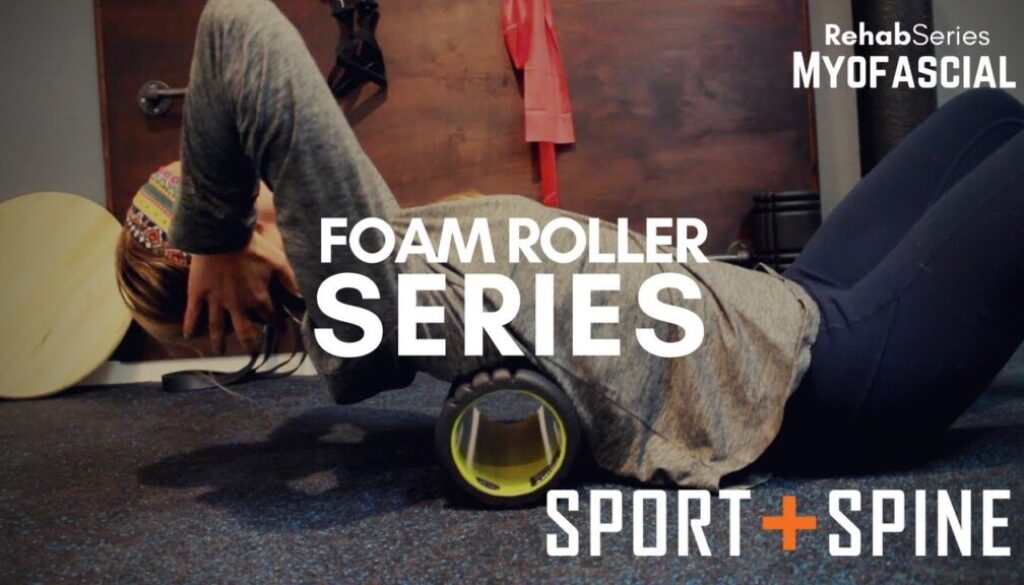
Foam Roller Series
The foam roller series combines multiple rolling techniques to target various muscle groups. This comprehensive approach is great for overall muscle recovery and flexibility. Here’s a sample routine:
Warm-Up:
- Spend 5-10 minutes warming up with light cardio and dynamic stretches.
Rolling Exercises:
- Glutes: 40 seconds per side.
- Quads: 55 seconds per side.
- Adductors: 47 seconds per side.
- Lats: 57 seconds per side.
- Thoracic Spine: 1 minute.
Cool Down:
- Finish with static stretching, focusing on the rolled muscles to enhance flexibility and reduce tension.
Common Mistakes to Avoid
When performing foam rolling exercises, it’s essential to avoid common mistakes to ensure maximum effectiveness and prevent injury.
Incorrect Positioning:
- Issue: Rolling over bones or joints.
- Solution: Focus on rolling over muscle tissue only.
Overextension:
- Issue: Applying too much pressure, causing discomfort.
- Solution: Use controlled movements and moderate pressure.
Lack of Core Engagement
- Issue: Neglecting to engage the core, leading to improper form.
- Solution: Continuously engage your core to stabilize your body.
Tips for Enhancing Your Foam Rolling Routine
To maximize the benefits of your foam rolling routine, consider the following tips:
- Incorporate Variations: Try different foam rolling techniques to target various muscle groups.
- Combine with Other Exercises: Incorporate stretching and strengthening exercises to create a comprehensive recovery routine.
- Consistency is Key: Aim to perform foam rolling exercises regularly, ideally 2-3 times per week.
- Seek Professional Guidance: If you’re unsure about your form, consult with a physical therapist or fitness professional.
Conclusion
Incorporating foam rolling into your fitness routine can significantly enhance muscle recovery and improve flexibility. By focusing on proper alignment and controlled movements, foam rolling offers a safe and effective way to relax tight muscles and increase blood flow.
For more detailed instructions and personalized consultations, visit us at Helix Sport and Spine Redmond Clinic or contact us at 206-800-6299.
Enhance your muscle recovery and overall flexibility with expert guidance from Helix Sport and Spine.