
5 Tips for Winter Sports Conditioning
As temperatures drop and the PNW begins to see flurries of snow, it’s time to get those legs into shape! Here are five tips to keep in mind for winter sports prep;
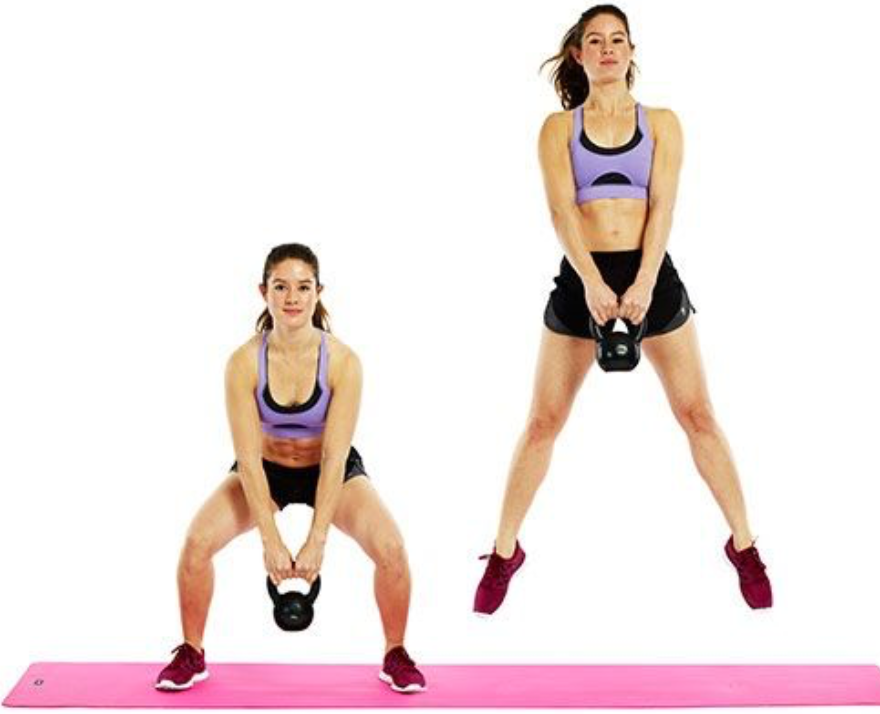
Learn to “Absorb the Floor†with Eccentrics – Snow conditions in the PNW can get choppy and induce faster rates of fatigue as the body has to constantly adjust to the surface of the snow. Introducing slow tempo eccentrics in your training will boost your body’s ability to tolerate these forces.
How to Perform: Introduce a 5:1 cadence to lower body exercises.
Example: Perform a goblet squat with a 5 second descent, pause at the bottom of your squat, and push explosively off the floor.
Static Holds for the Win – Ever traverse across a quarter mile of terrain at an awkward angle? Your legs will remember if you have. Introducing static holds will allow your body to make the necessary physiological changes to prep for these instances of fun!
How to Perform: Get into the bottom of a lower body lift and hold for 10-20 seconds while maintaining form, breathing cadence, and proper bracing.
Example: Get into a split stance with back heel elevated. Drop to the bottom of the movement and hold for 15 seconds, repeat until your legs hate you.
- Plyos for the Adventurous – Do you enjoy straight-lining steeps or throwing your body off of manmade/natural terrain? Higher speeds and rough landings are going to incur higher levels of force on your body, incorporating plyometrics will prep your legs to be able to handle the load.
- How to Perform: Incorporate rapid and “bouncy†movements that require your body to create maximum levels of force in a short period of time.
Example: Stand single leg on a 12†box. Jump laterally, landing on opposite leg and working to use hips to absorb the force of landing. Immediately spring back to the box, trying to minimize time spent on the floor.
Need a leg circuit to get your quads and glutes in shape for any condition? Check out the video below!
- Don’t sleep on the lower leg: Although the foot/ankle are generally “fixed†inside of a boot, winter sports still place high levels of stress on the structures of the lower leg, especially when edging into a slope or on a deep pow day.
- How to Perform: Incorporate plantar flexion or dorsiflexion into conventional exercises:
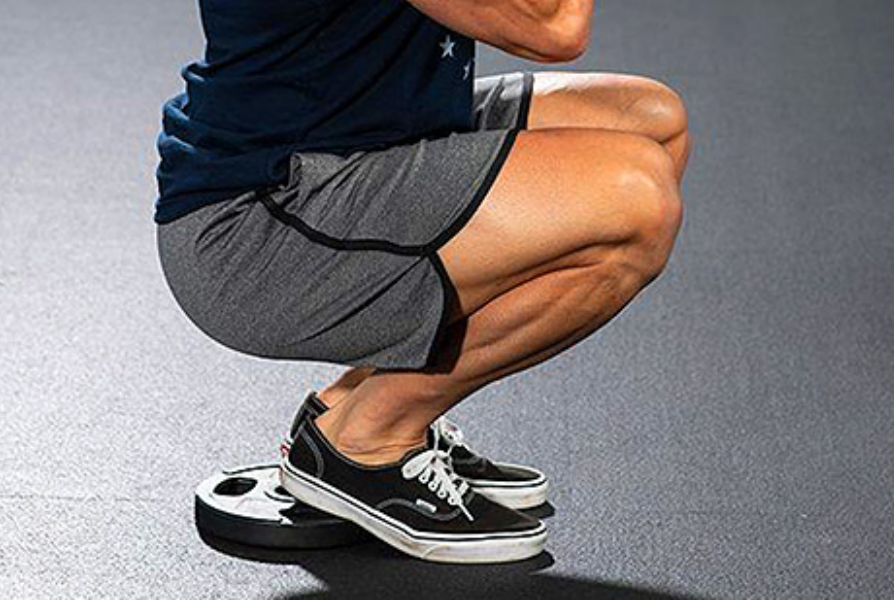
Example 1: Holding onto a TRX and with a pad under your heels, lift the forefoot off of the ground (goal is to feel the front of the shin begin to work). Drop into a squat while maintaining this lifted position of the ankle/foot.
Example 2: Holding onto two kettlebells, walk a length of 25-50’ while keeping your heels off of the ground. Aim to keep the pressure between the1st/2nd knuckle of the toes and minimize collapse onto the outside of the foot.
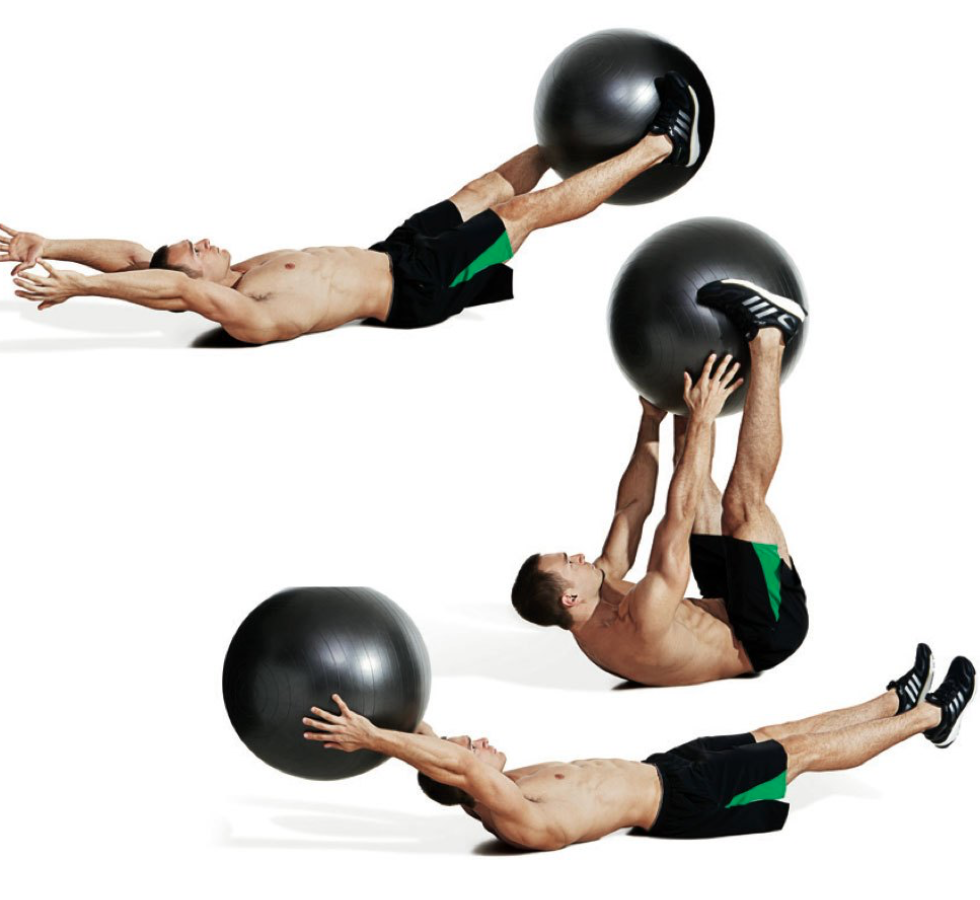
- Diversify your Core Training: From making turns in deep snow to pushing yourself up after a tumble, the demands placed on the hips/trunk during winter sports are wide-ranging. Move outside of conventional sagittal plane exercises (crunches and front planks) to ensure you’re ready to conquer the slopes!
- How to Perform: Utilize exercises in the frontal or transverse plane, or make things even more interesting by combining multiple planes in one movement!
Example: Set up in a side plank from either your knees or feet. With your top hand, grab a medium strength resistance band (anchored low) and drive the shoulder blade back to pull the hand to your side. The tension of the band will try to rotate your body and gravity is simultaneously trying to pull your hips down, your goal is to control your pelvis and spine as the shoulder girdle moves.
Knee Instability? Check out our video below to help strengthen specific muscles to protect your knees!