
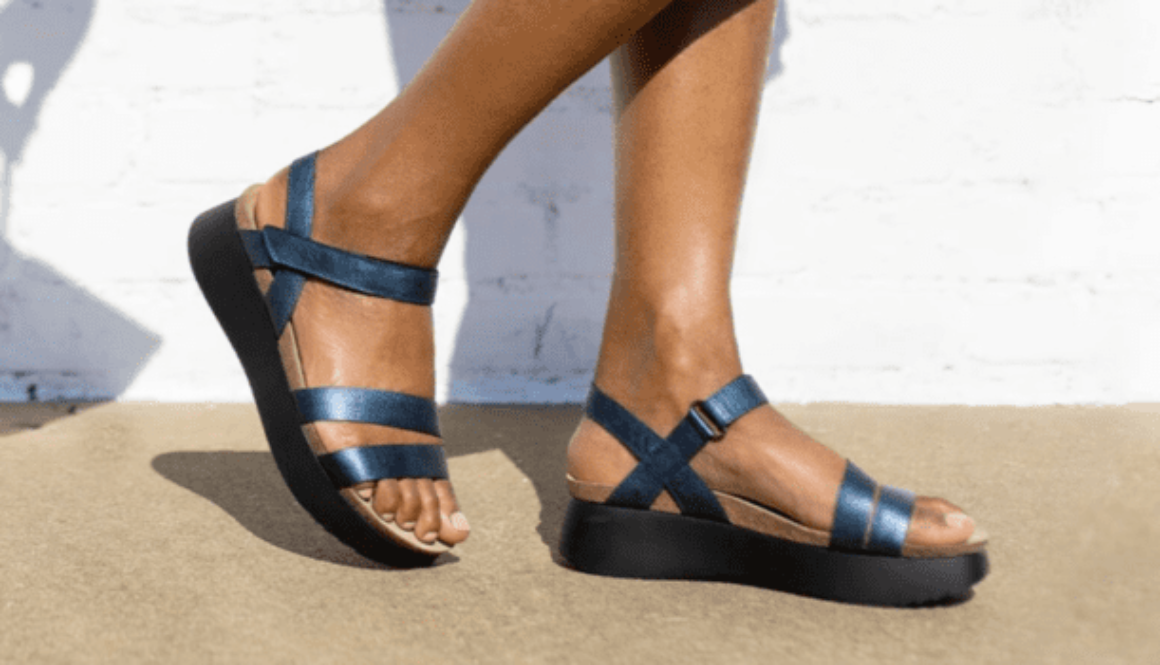
Tips For Your Summer Sandal Season Picks
With Summer weather sneaking its way into Washington, so is our foots’ least favorite fashion choice: FLIP-FLOPS. We know how much we all love flip-flops but there are a few things that we need to be mindful of as flip-flop season rolls in.
First things first! Flip-Flops can play a major role in causing inflammation in the foot. The connective tissue of our plantar fascia and ankle support muscles create stability for our foot when we are walking. Due to the lack of proper arch support and shock absorption, wearing flip flops can irritate the heel, cause over stress to the plantar fascia, and create poor foot biomechanics. It’s okay to wear them if you are just heading to the pool/beach, or slipping them on to take the garbage out, but they should not be an all-day shoe, especially if you are experiencing foot pain!
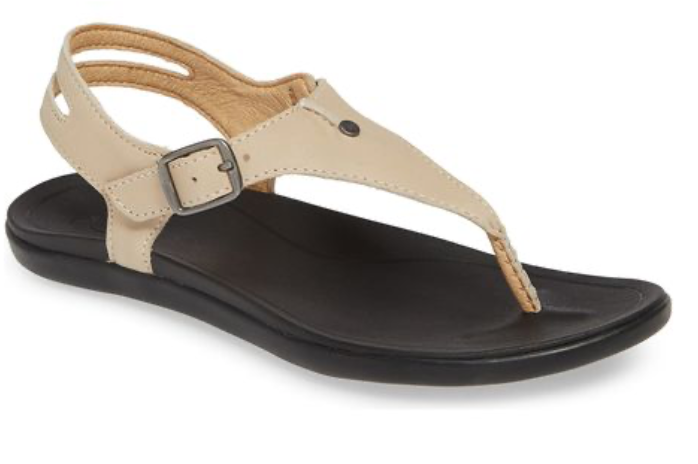
Not only can flip-flops affect the feet, they facilitate improper biomechanics through the knee, hip, and low back. When you wear flip-flops your toes want to grip the shoe to keep your feet from sliding, which restricts your toes natural ability to bend and extend. This can alter your gait, which is why you might start experiencing pain up the leg and into the low back. All because the shoe changes the way our foot meets the floor and our body tries to avoid discomfort by creating compensations for poor movement.

If you are planning to wear flip-flops, maybe look for one that provides a little more support. Here is a list to look for when preparing to buy flip-flops:
1) Size of Toe Box
2) Bend/Flex
3) Arch support
4) Number of straps
The shoe should be wide enough so that the toes aren’t hanging off the edges, and long enough that the heel is fully on the sole. Find a flip flop that has a thicker sole and a slight arch in the middle to provide more support for the arch of the foot. Lastly, the more straps the better. The straps help keep your foot from slipping within the sandal but also gives the ankle muscles better stability limiting over-pronation.
If you have any further questions about this information, please feel free to talk to your doctor or rehab specialist!