JV Lion Sales Funnels

About JV Lion Sales Funnels
Posts by JV Lion Sales Funnels:

Half Kneeling Hip Flexor Stretch for Office Workers in Mercer Island, WA
Are you spending long hours sitting at a desk and experiencing hip tightness? The Half Kneeling Hip Flexor Stretch is an excellent exercise to lengthen the muscle tissue across the front of your hip, providing relief and improving flexibility. This stretch is especially beneficial for those who sit during the day, helping to counteract the negative effects of prolonged sitting.
Hip flexor tightness is a common issue for many individuals, particularly those who spend extended periods sitting at a desk. The hip flexors, a group of muscles located in the front of the hip, can become shortened and tight from prolonged sitting, leading to discomfort and decreased mobility. This tightness can also contribute to poor posture and even back pain, as the pelvis may tilt forward, causing a sway back.
The Half Kneeling Hip Flexor Stretch specifically targets these muscles, helping to lengthen them and restore a proper range of motion. By regularly incorporating this stretch into your routine, you can alleviate discomfort, improve posture, and enhance overall mobility. This guide will provide detailed instructions on how to perform the Half Kneeling Hip Flexor Stretch correctly, along with tips for maximizing its benefits and avoiding common mistakes.
Understanding the Half Kneeling Hip Flexor Stretch
The Half Kneeling Hip Flexor Stretch focuses on lengthening the muscle tissue that crosses the front of the hip. This position is particularly effective because it allows for a controlled stretch of the hip flexors while also engaging the core muscles for stability. The stretch is not only about leaning forward but also about maintaining a specific alignment to target the correct muscles effectively.
This stretch is beneficial for a wide range of individuals, from athletes looking to enhance their performance to office workers seeking relief from daily discomfort. It is a versatile and accessible exercise that can be modified to suit different fitness levels and flexibility ranges.
Getting Started
To perform the Half Kneeling Hip Flexor Stretch, you’ll need a soft surface, such as a yoga mat, to protect your knees. You may also use a cushion or folded towel for additional comfort. The following steps outline the proper setup and execution of the stretch:
- Positioning: Begin by kneeling on the ground. If necessary, place a pillow or cushion under your knees to reduce discomfort.
- Leg Placement: Bring one leg forward so that the knee is bent at a 90-degree angle, and the foot is flat on the ground. Your back leg should remain bent with the knee resting on the ground, creating a half-kneeling position.
Core Engagement
- Glute and Core Activation: Engage your glute muscles of the back leg and your core muscles simultaneously. This activation is crucial as it helps to tuck your tailbone under, preventing an excessive arch in the lower back.
- Pelvic Tilt: Focus on maintaining a slight posterior pelvic tilt. This action flattens the lower back and ensures that the stretch targets the hip flexors rather than straining the lower spine.
Executing the Movement
With proper setup and muscle engagement, you can now proceed to deepen the stretch:
- Leaning Forward: Gently shift your weight forward into the front leg. Be mindful to keep the pelvis in a tucked position to avoid arching the lower back. This forward movement should be slow and controlled, ensuring that the stretch is felt in the hip flexors of the back leg.
- Enhanced Stretch: For a more intense stretch, raise the arm opposite to the back leg overhead. Reach up and slightly bend towards the side of the front leg. This movement not only stretches the hip flexors but also elongates the entire side of the torso, including the obliques and intercostal muscles.
- Breath Control: Breathe deeply and evenly throughout the stretch. Focus on inhaling into your rib cage, expanding the chest, and creating space in the body. Deep breathing helps to relax the muscles and deepen the stretch.
- Hold and Release: Hold the stretch for three to four deep breaths, allowing the muscles to relax and lengthen with each exhale. After holding, gently release the stretch and return to the starting position.
- Repeat: Switch legs and repeat the stretch on the opposite side. It is essential to stretch both sides equally to maintain balance and symmetry in the body.
Benefits of the Half Kneeling Hip Flexor Stretch
The Half Kneeling Hip Flexor Stretch offers numerous benefits, especially for those who sit for long periods. The most notable advantages include:
- Hip Flexor Lengthening: The primary benefit of this stretch is the lengthening of the hip flexors, which can become shortened and tight from prolonged sitting. By regularly stretching these muscles, you can alleviate tightness and discomfort.
- Improved Posture: Tight hip flexors can contribute to an anterior pelvic tilt, leading to poor posture and an increased risk of back pain. This stretch helps correct pelvic alignment, promoting better posture.
- Enhanced Mobility: Increased flexibility in the hip flexors can improve overall hip mobility, making daily movements and exercises more comfortable and efficient.
- Core Engagement: Engaging the core muscles during the stretch not only stabilizes the pelvis but also strengthens the core, contributing to better overall stability and balance.
Common Mistakes to Avoid
To maximize the effectiveness of the Half Kneeling Hip Flexor Stretch and prevent injury, it’s crucial to avoid common mistakes:
- Incorrect Pelvic Position: Allowing the pelvis to anteriorly tilt, causing an excessive arch in the lower back. The solution is to maintain a slight posterior pelvic tilt by engaging the glutes and core muscles. This alignment focuses the stretch on the hip flexors rather than straining the lower back.
- Lack of Core Engagement: Failing to engage the core muscles can lead to improper form and reduce the effectiveness of the stretch. Continuously engaging the core muscles stabilizes the pelvis and enhances the stretch.
Tips for Enhancing Your Hip Flexor Stretch Routine
To get the most out of your hip flexor stretch routine, consider these additional tips:
- Incorporate Variations: There are several variations of the hip flexor stretch that can target different areas of the hip and leg. For example, adding a quad stretch or hip extension can provide a more comprehensive stretch.
- Combine with Other Stretches: Include stretches for other muscle groups, such as the hamstrings, quadriceps, and glutes, to create a balanced stretching routine. This approach ensures that all major muscle groups are addressed, promoting overall flexibility.
- Consistency is Key: For best results, incorporate hip flexor stretches into your routine regularly. Aim to stretch at least 2-3 times per week, gradually increasing the duration and intensity of the stretch.
- Seek Professional Guidance: If you’re unsure about your form or have specific concerns, consider consulting with a physical therapist or fitness professional. They can provide personalized guidance and modifications to suit your needs and fitness level.
Incorporating the Half Kneeling Hip Flexor Stretch into Your Routine
Adding the Half Kneeling Hip Flexor Stretch to your regular fitness routine is straightforward and can yield significant benefits. Here’s a sample routine to get you started:
- Warm-Up: Begin with a 5-10 minute warm-up to increase blood flow to the muscles. Light cardio activities like walking, jogging, or cycling, combined with dynamic stretches, prepare the body for deeper stretching.
- Half Kneeling Hip Flexor Stretch: Perform the stretch as described, holding each position for three to four deep breaths. Repeat the stretch two to three times on each side, ensuring proper form and alignment.
- Complementary Stretches: After the hip flexor stretch, include other lower body stretches, such as hamstring stretches, quad stretches, and calf stretches. This comprehensive approach addresses all major muscle groups in the lower body.
- Cool Down: Conclude your workout with a cool-down phase, focusing on static stretches for the hips, glutes, and lower back. Holding each stretch for 20-30 seconds helps to relax the muscles and improve flexibility.
Conclusion
The Half Kneeling Hip Flexor Stretch is a highly effective exercise for relieving hip tightness and improving flexibility, especially for individuals who sit for extended periods. By focusing on proper alignment and core engagement, this stretch provides a safe and efficient way to lengthen the hip flexors, enhance posture, and increase overall mobility. Regular practice of this stretch, combined with other complementary exercises, can significantly improve your physical well-being and quality of life.
For more detailed instructions and personalized consultations, visit us at Helix Sport and Spine Mercer Island Clinic or contact us at 206-800-6299.
Enhance your hip flexibility and overall mobility with expert guidance from Helix Sport and Spine.
? Schedule an Appointment Now
Or give us a call at 206-800-6299
Bulletproof Your Body: A Guide to Shoulder Health and Injury Prevention in Mercer Island, WA
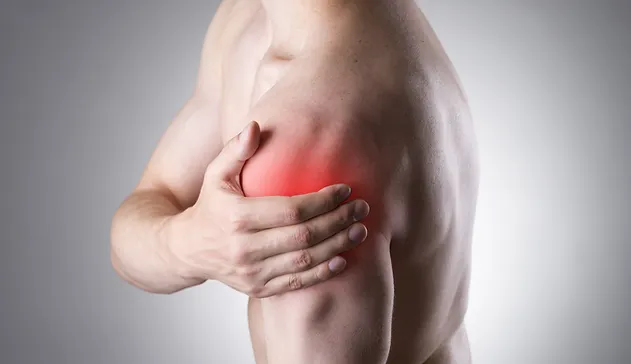
Shoulder pain and limited mobility can significantly impact your quality of life, hindering everyday activities and affecting your overall well-being. At Helix Sport and Spine Mercer Island Chiropractic, we understand the importance of addressing these issues head-on, which is why we’re dedicated to providing comprehensive care and empowering you with the knowledge and tools to manage shoulder pain effectively. In this blog post, we’ll delve into the valuable insights shared in our “Bulletproof Series | Shoulder Clinic” video, offer expert tips for treating shoulder pain at home, and highlight the specialized treatments available at our clinic to help you achieve optimal shoulder health.
Unlocking Shoulder Health: Insights from the Bulletproof Series | Shoulder Clinic
In our “Bulletproof Series | Shoulder Clinic” video, we delved into essential methods for enhancing shoulder stability, mobility, and strength while minimizing the risk of injury. Whether you’re an athlete looking to optimize performance or someone seeking relief from chronic shoulder pain, our holistic approach to shoulder care can make a significant difference in your life. By incorporating hands-on techniques and evidence-based practices, we aim to provide you with the tools you need to overcome shoulder challenges and reach your health and fitness goals.
Expert Tips for Treating Shoulder Pain at Home
Managing shoulder pain doesn’t always require a trip to the clinic. In our video, we shared expert tips for treating shoulder pain at home using simple tools and techniques. One effective method involves using a lacrosse ball or tennis ball against a wall to target tender spots and release tension in the shoulders. By following a step-by-step guide, you can perform these exercises in the comfort of your own home, providing relief and promoting mobility without the need for specialized equipment or professional assistance.
Step-by-Step Guide to Treating Shoulder Pain at Home
- Gather Your Tools: The first step in your journey to alleviate shoulder pain is to gather the necessary tools. Take a moment to find a lacrosse ball or tennis ball within your home. These simple yet versatile items will serve as your companions in targeted shoulder therapy.
- Find a Wall: Once you’ve acquired your chosen tool, it’s time to find a suitable space to perform the exercises comfortably. Seek out a flat surface, preferably against a wall, where you can fully engage in the therapy without any obstructions or discomfort.
- Position the Ball: With your designated space ready, position yourself against the wall and place the ball between your shoulder blade and spine. Apply gentle pressure to the targeted areas, ensuring that the ball is firmly pressed against your muscles for optimal effectiveness.
- Cross Your Arms: To initiate the therapy, cross your arms over your chest, with your hands resting on the opposite shoulders. This posture not only stabilizes your upper body but also facilitates better access to the targeted areas of the shoulder blade and spine.
- Move Up and Down: With the ball securely positioned, begin moving your arms in a controlled up-and-down motion. As you do so, maintain consistent pressure on the ball between your shoulder blade and spine. This rhythmic movement helps stimulate blood flow, alleviate tension, and promote relaxation in the affected muscles.
- Rock Back and Forth: As you engage in the therapy, pay close attention to any tender spots or areas of discomfort. When you encounter these areas, gently rock your body back and forth to apply targeted pressure and facilitate the release of tension. This rocking motion serves as a therapeutic massage, offering relief and promoting mobility in the shoulder region.
- Adjust Position: Each individual’s shoulder anatomy and pain points may vary, so don’t hesitate to experiment with different positions and angles to target specific areas of discomfort. Move the ball slightly to the left or right, up or down, to effectively address each point of tension within the shoulder blade and spine.
- Explore Above the Scapula: As you progress through the therapy, extend your focus to areas above the scapula, continuing the rocking motion to release tension effectively. By exploring these additional regions, you can ensure comprehensive relief and promote overall shoulder health.
- Seek Further Assistance: While self-care techniques can be highly effective, it’s essential to recognize when additional support may be needed. If you encounter persistent pain or have concerns about your home therapy routine, don’t hesitate to reach out to our experienced team for personalized guidance and assistance. We’re here to provide the support and expertise you need to achieve lasting relief and optimal shoulder wellness.
By following these comprehensive steps, you can take proactive measures to manage shoulder pain and promote healing from the comfort of your home. Empower yourself with effective self-care techniques and embrace a journey towards improved shoulder health and overall well-being.
Treatments Available at Helix Sport and Spine Chiropractic
At Helix Sport and Spine Chiropractic, we offer a comprehensive range of treatments aimed at addressing shoulder pain, sports injuries, and musculoskeletal issues. Our specialized services include:
- Chiropractic Adjustments: Gentle manipulations to realign the spine and joints, reducing pain and improving function.
- Functional Movement Assessments: Evaluations to identify movement dysfunctions and design personalized treatment plans.
- Corrective Exercises: Targeted exercises to strengthen muscles, improve mobility, and prevent future injuries.
- Kinesiotaping: Application of specialized tape to support injured tissues and enhance performance.
- Active Release Technique (A.R.T.): Manual therapy to release adhesions and promote tissue healing.
- Instrument-Assisted Soft Tissue Mobilization (IASTM): Utilization of tools to break down scar tissue and improve range of motion.
Whether you’re dealing with shoulder pain, lower back issues, knee injuries, or other musculoskeletal conditions, our dedicated team is committed to providing tailored care to help you achieve lasting relief and optimal function.
Empowering Patients with Education and Expertise
At Helix Sport and Spine Chiropractic, we believe in the power of education to empower our patients to take control of their health and well-being. By sharing informative content like this, we aim to provide valuable insights into shoulder health, injury prevention, and self-care strategies. By understanding the importance of maintaining optimal shoulder function and knowing how to address issues as they arise, you can make informed decisions about your health and take proactive steps towards a pain-free life.
Take the Next Step Towards Shoulder Wellness
Don’t let shoulder pain hold you back from living your best life. Whether you’re seeking relief from acute discomfort or looking to enhance your athletic performance, Helix Sport and Spine Chiropractic is here to support you every step of the way. Schedule a consultation with our team today to discover how our specialized treatments and expert guidance can help you unlock your shoulder’s full potential and achieve lasting wellness.
For personalized consultations and inquiries, visit helixwa.com/Mercer-Island or contact us at 206-800-6299.
Let’s embark on the journey to shoulder wellness together at Helix Sport and Spine Mercer Island Active Chiropractic Clinic, so you can enjoy a life free from pain and limitations.